
Get In Touch
I’m interviewing every member of the 2026 U.S. Olympic and Paralympic Team to build the most comprehensive record of mindset at the Games.
For media inquiries, speaking engagements, or partnership opportunities, please reach out to amy@backtheteam.org or via the form below.
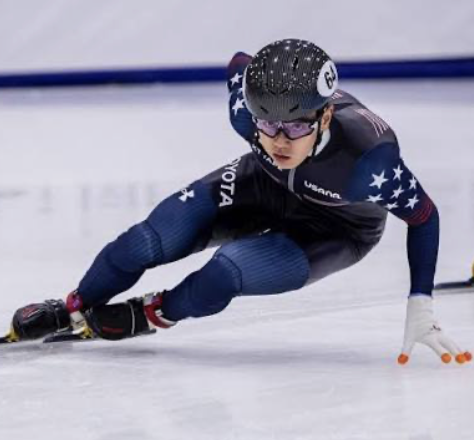
Brandon Kim trains just 5-7 hours a week as a full-time Stanford student. He made his Olympic debut at the 2026 Winter Olympic Games. His secret comes down to a mindset shift most athletes never find: he stopped needing to win. By refusing to let his identity ride on the outcome, Kim unlocked a fearless, pressure-free way to compete and proved that trusting a lifetime of preparation can take you further than obsession ever will.
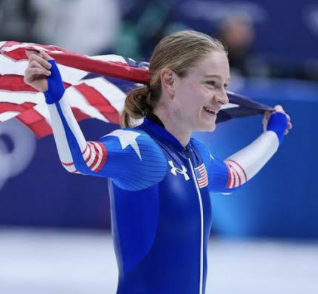
Corinne Stoddard walked into the 2026 Olympics ranked No. 2 in the world, and then her body simply stopped cooperating. Add a wave of online hate calling her a failure, and she called it the worst week of her life. She had four days to decide whether to scratch her final race entirely. What she did instead is the real story of the mindset behind her bronze medal.
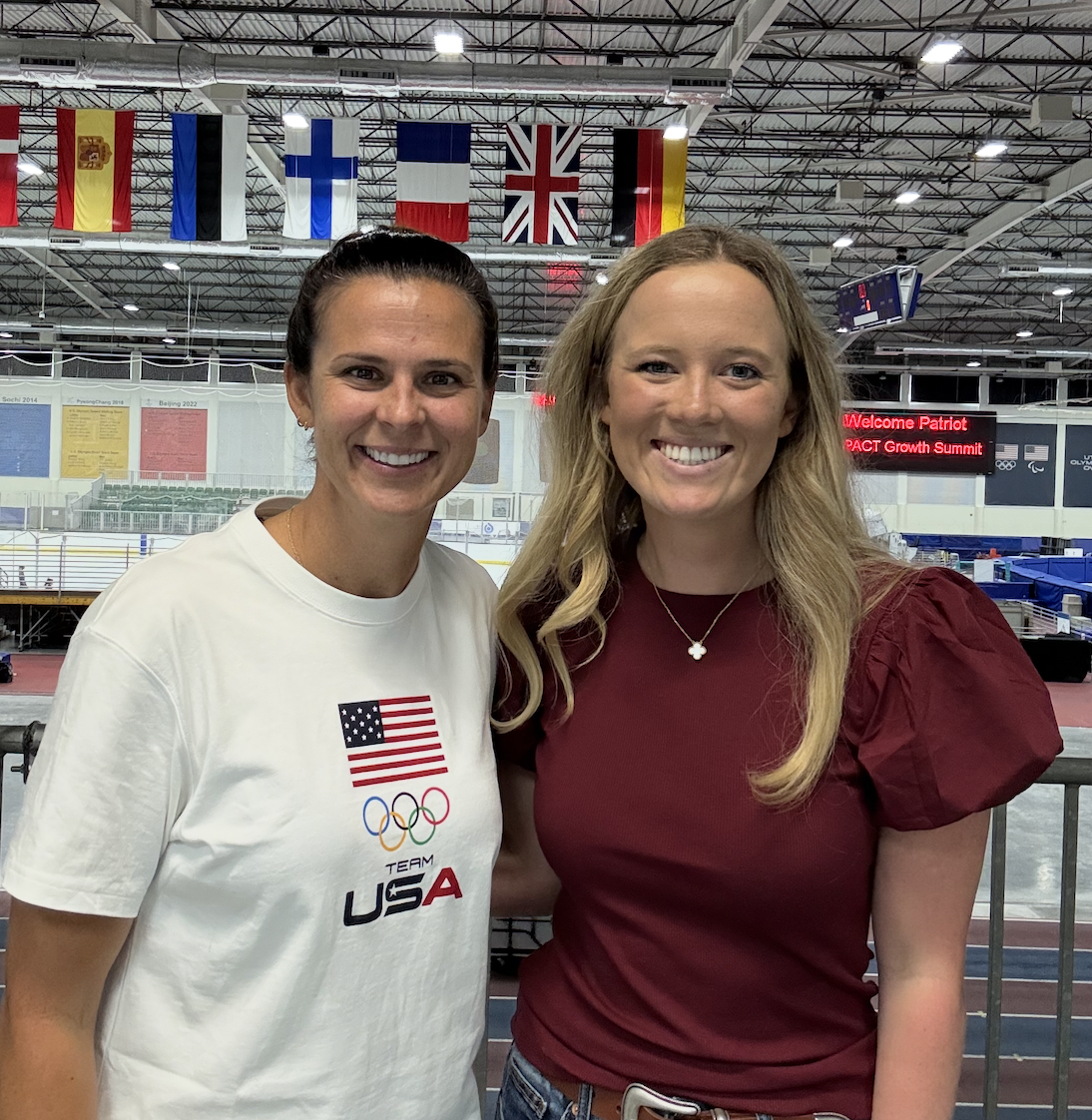
Brittany Bowe has spent years at the top of speed skating and she's learned exactly what it takes to stay there. The veteran Olympian shares the mindset shifts that have carried her through pressure, setbacks, and the loneliness of being the one everyone's chasing. It's an inspiring look at how she's turned hard-won lessons into lasting excellence. You’ll learn why she cares more about her impact on teammates than any medal.
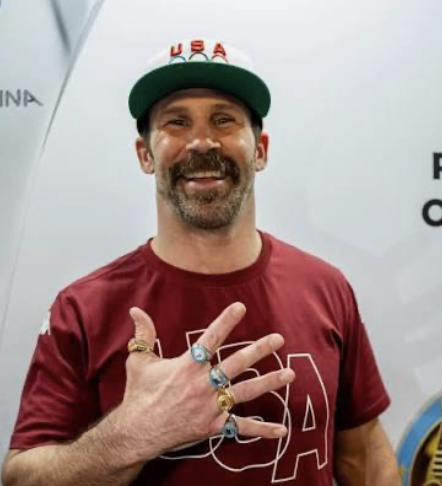
Nick Baumgartner doesn't wait for failure to find him, he rides toward it on purpose. Here's the mountain bike trail, the broken collarbone, and the fourth-place finish that built an Olympic gold medalist.
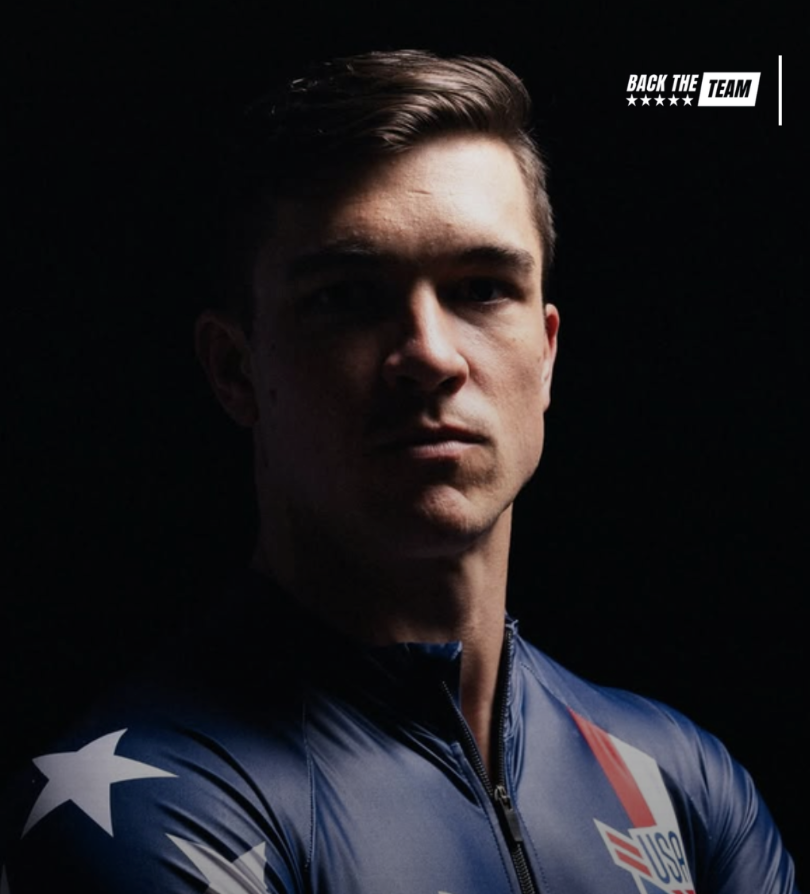
A torn ACL ended his football career. A missed Olympic team in 2022 almost ended his bobsled career too. Boone Niederhofer made his Olympic debut in 2026, and it started with a question most people are too afraid to ask in a job interview.
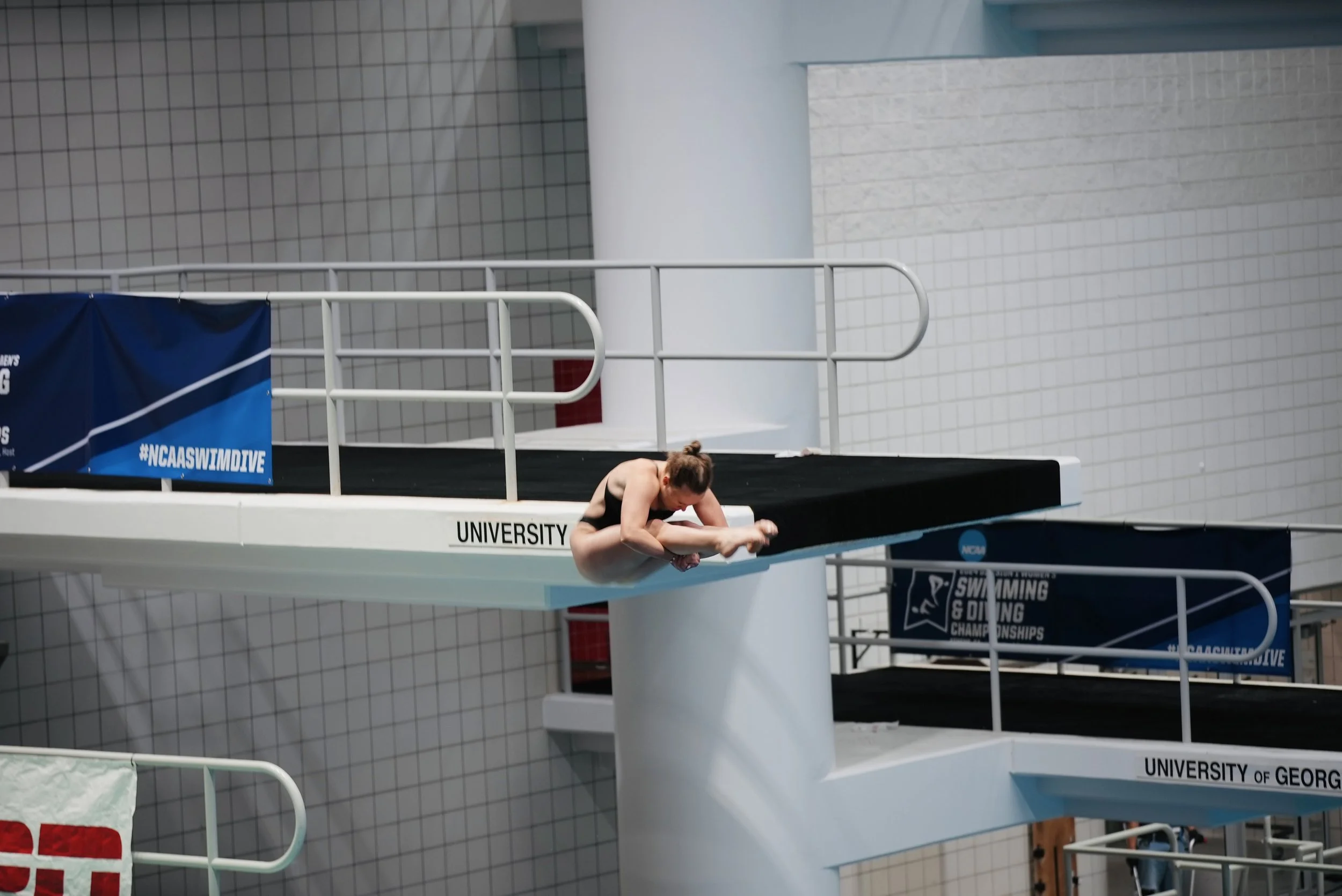
Mindset is trainable. I’m a case study. I set out to interview every athlete on the 2026 U.S. Olympic and Paralympic Team (yes, all 304). Around interview 150, I have realized that I have become a case study myself.
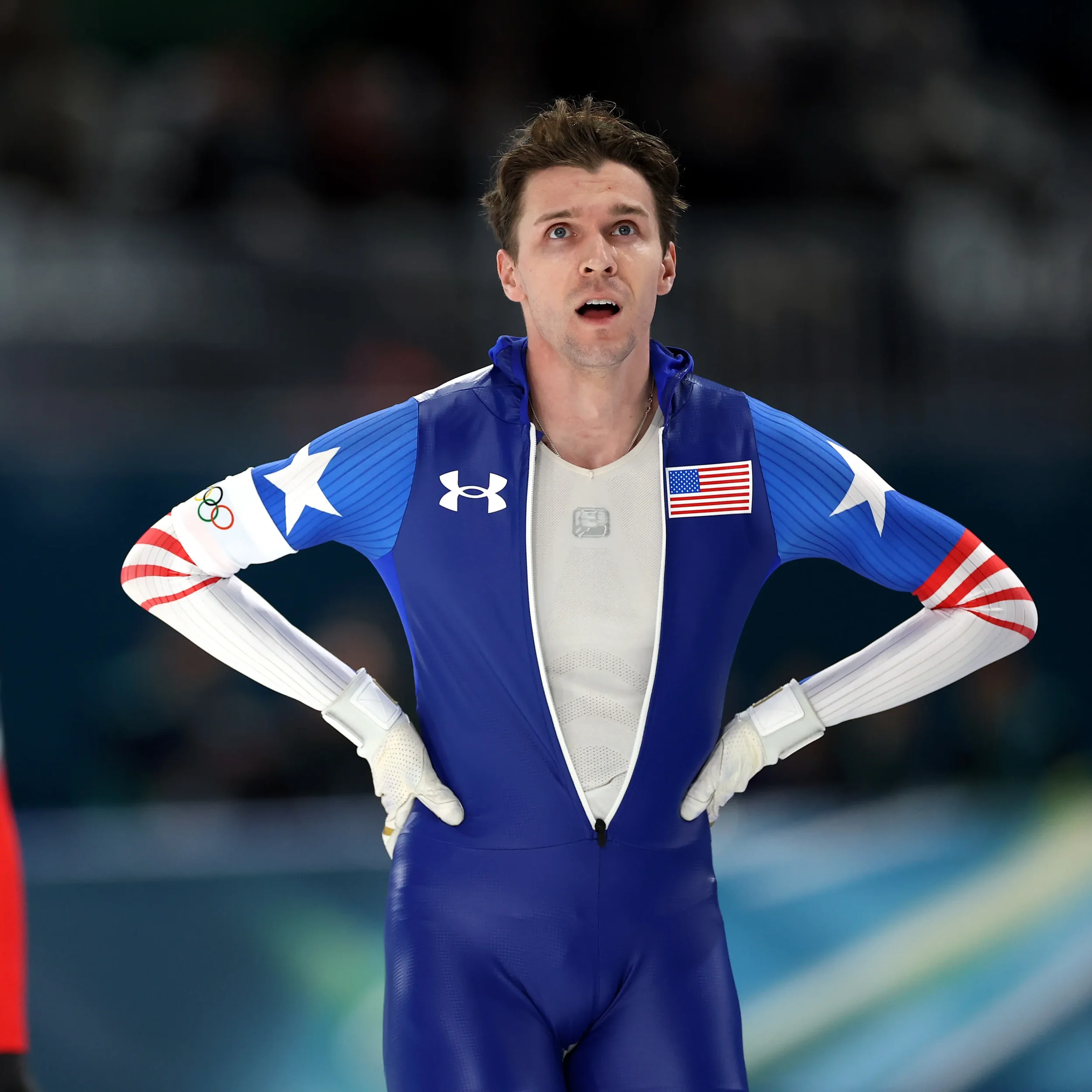
Both of Conor McDermott-Mostowy's childhood coaches have told him the same thing: he was not the athlete they expected to go to the Olympics. Two decades later, he made his debut in Milano Cortina. What happened in between is a masterclass in what it looks like to treat every loss as a question worth answering.
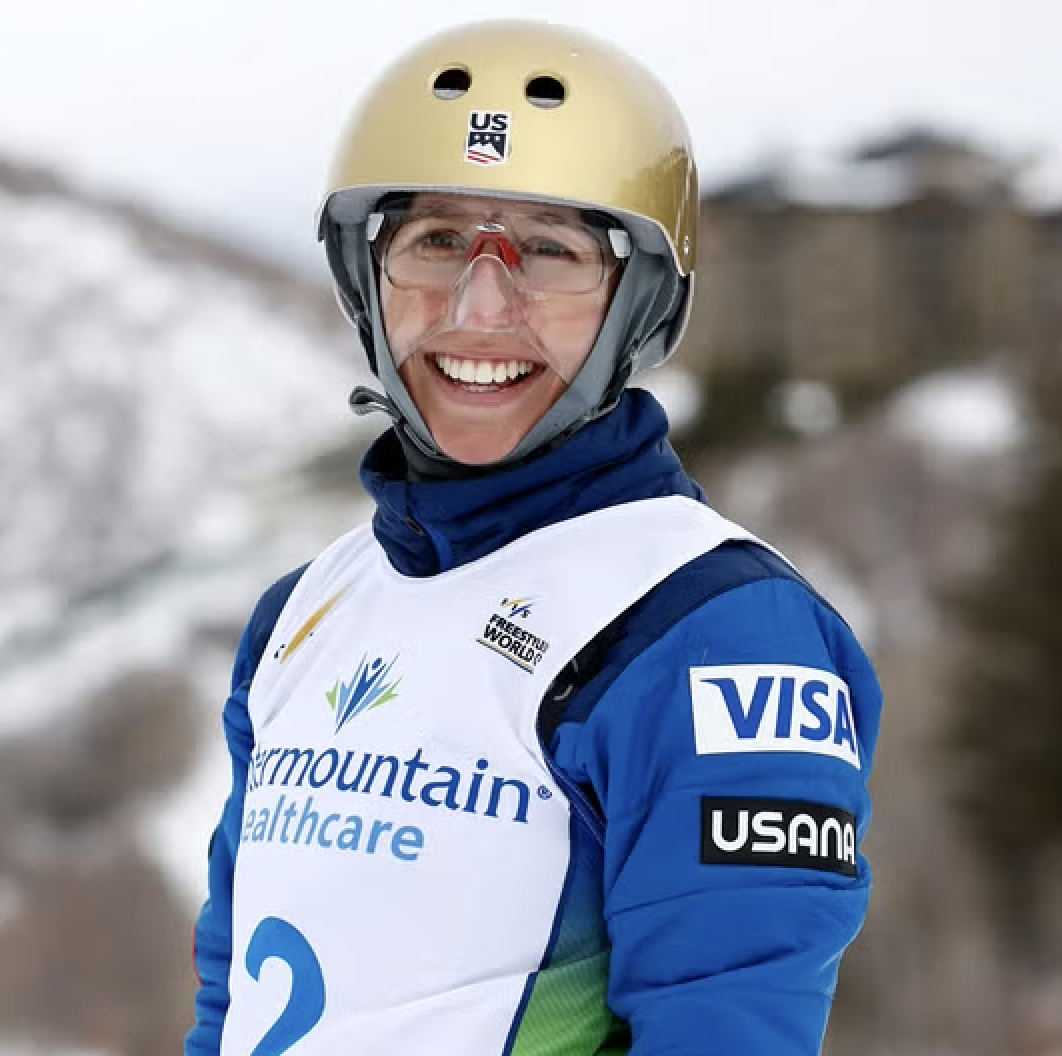
From the Guinness Book of World Records to two Olympic Games, here's how Winter Vinecki turns every hard thing she's done into fuel for the next one.
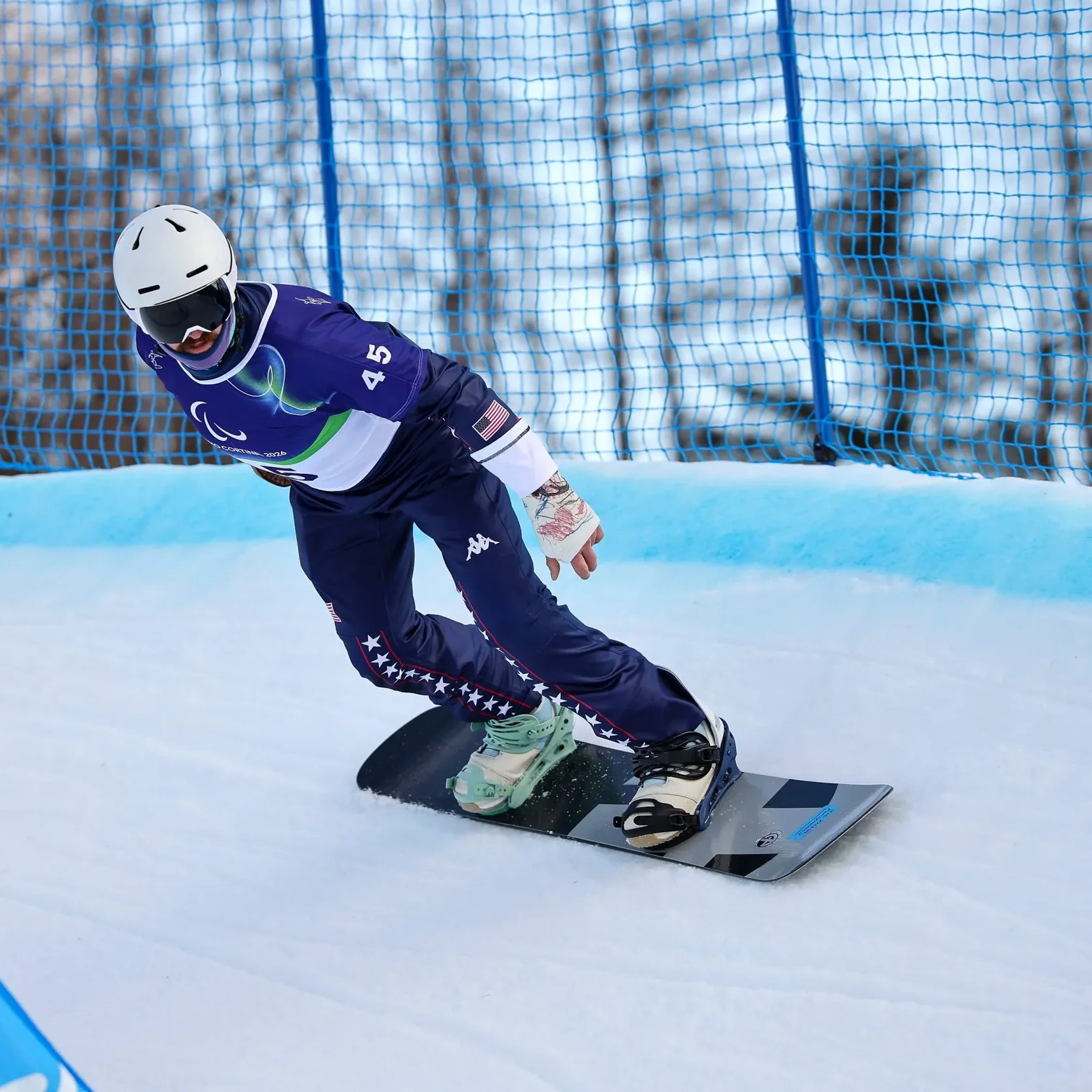
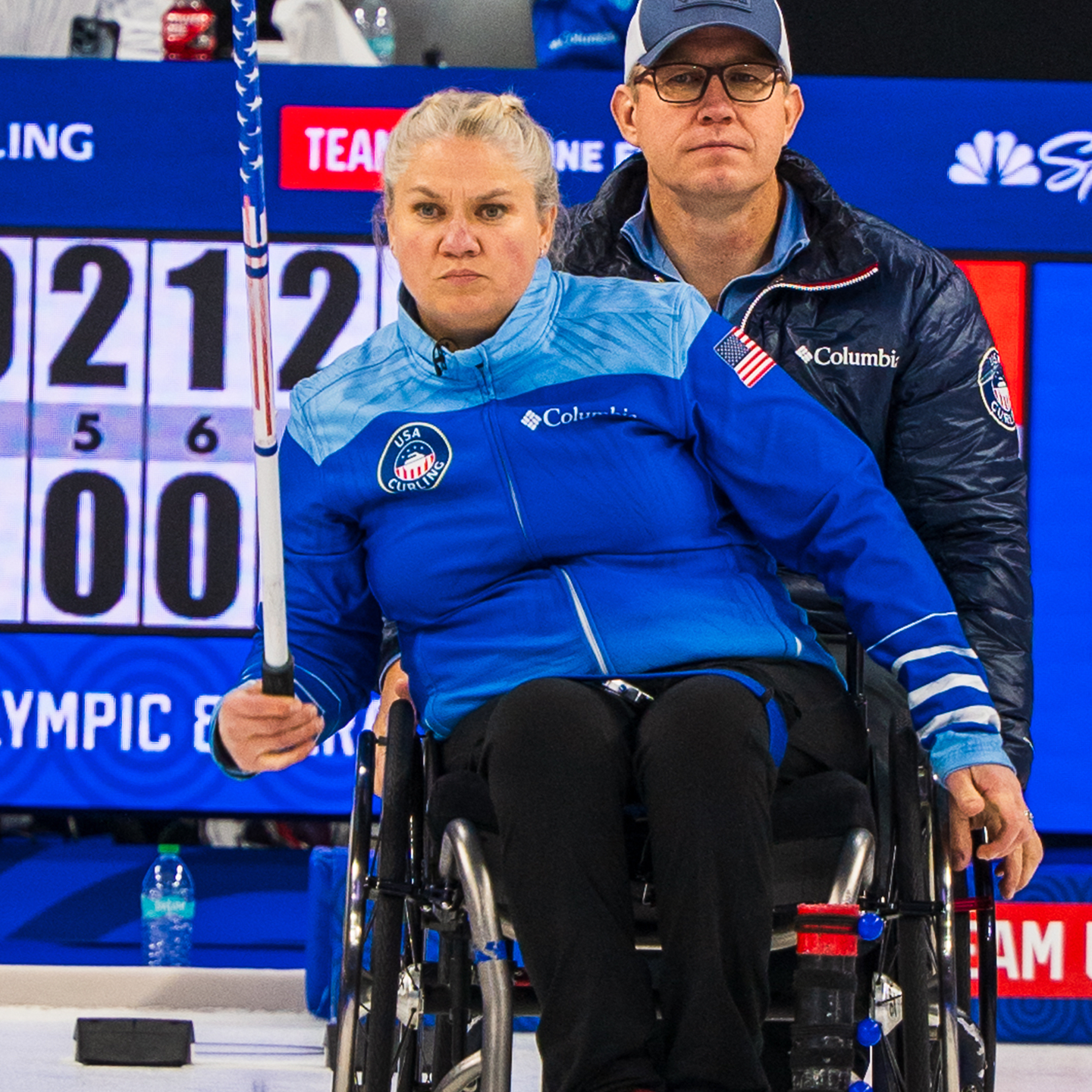
Laura Dwyer has survived a thousand-pound tree branch falling from eighty feet, spent seven years finishing runner-up, and carried the same sticky note into every rink she ever competed in. Then, at the Paralympic Qualifier, the biggest moment of her career, someone told her to take it down. She's glad they did.
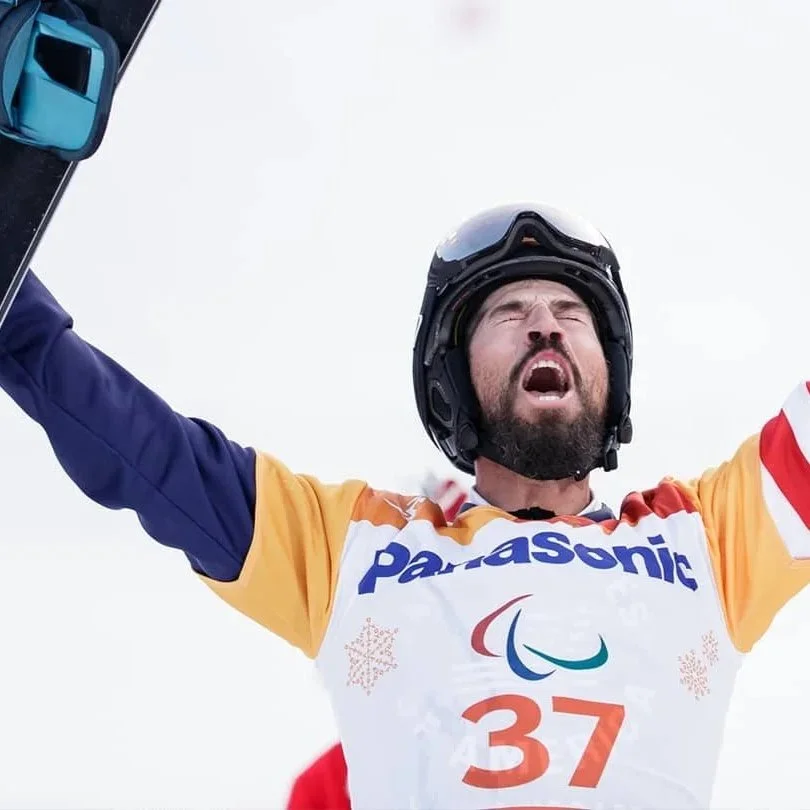
Keith Gabel was written off as a child. Written off as an amputee. Written off as a long shot, a dark horse, a name competitors crossed off their bracket without a second thought. Keith Gabel has been hearing it his whole life. Sixty-three World Cup podiums later, he's still winning anyway. This is his story.
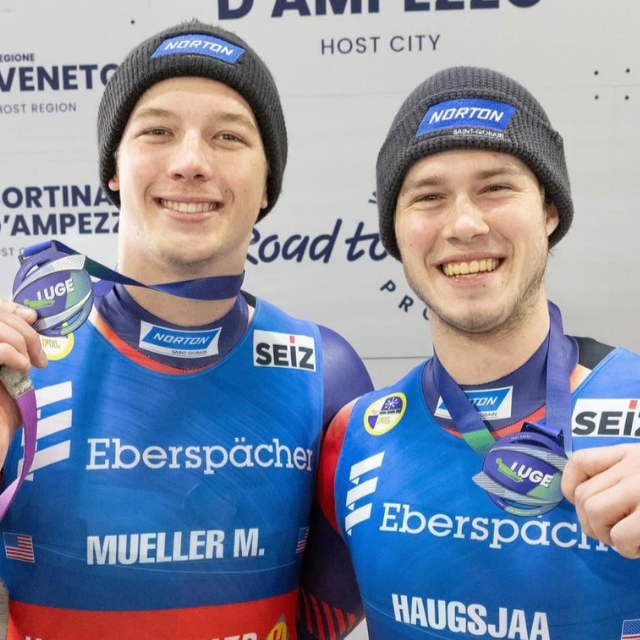
Ansel Haugsjaa and Marcus Mueller go 90 miles per hour with a completely empty mind. It's the result of seven years, thousands of mind runs, and a Plan A, B, and C for every single curve on the track. The two U.S. Olympic lugers have figured out something most people never do: how to stay calm when the plan falls apart. Here's how they built it.
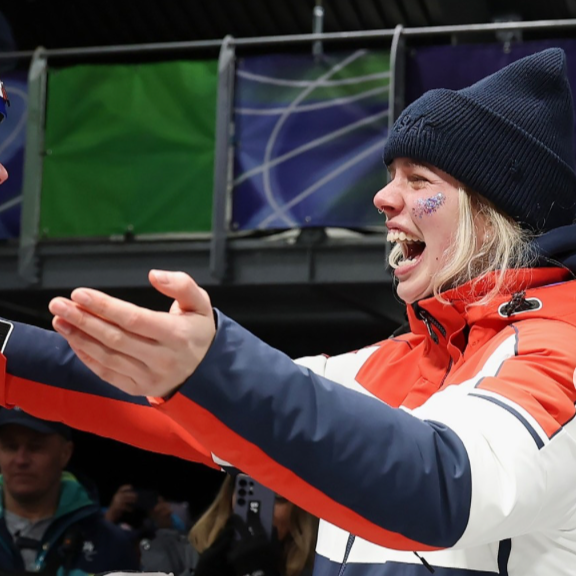
Chevonne Forgan didn't grow up dreaming of the Olympics. She was twelve years old in a parking lot when luge found her, not even knowing she had attended a developmental team tryout. No grand plan. No lifelong dream. Just a twelve-year-old who loved chasing speed and never stopped.
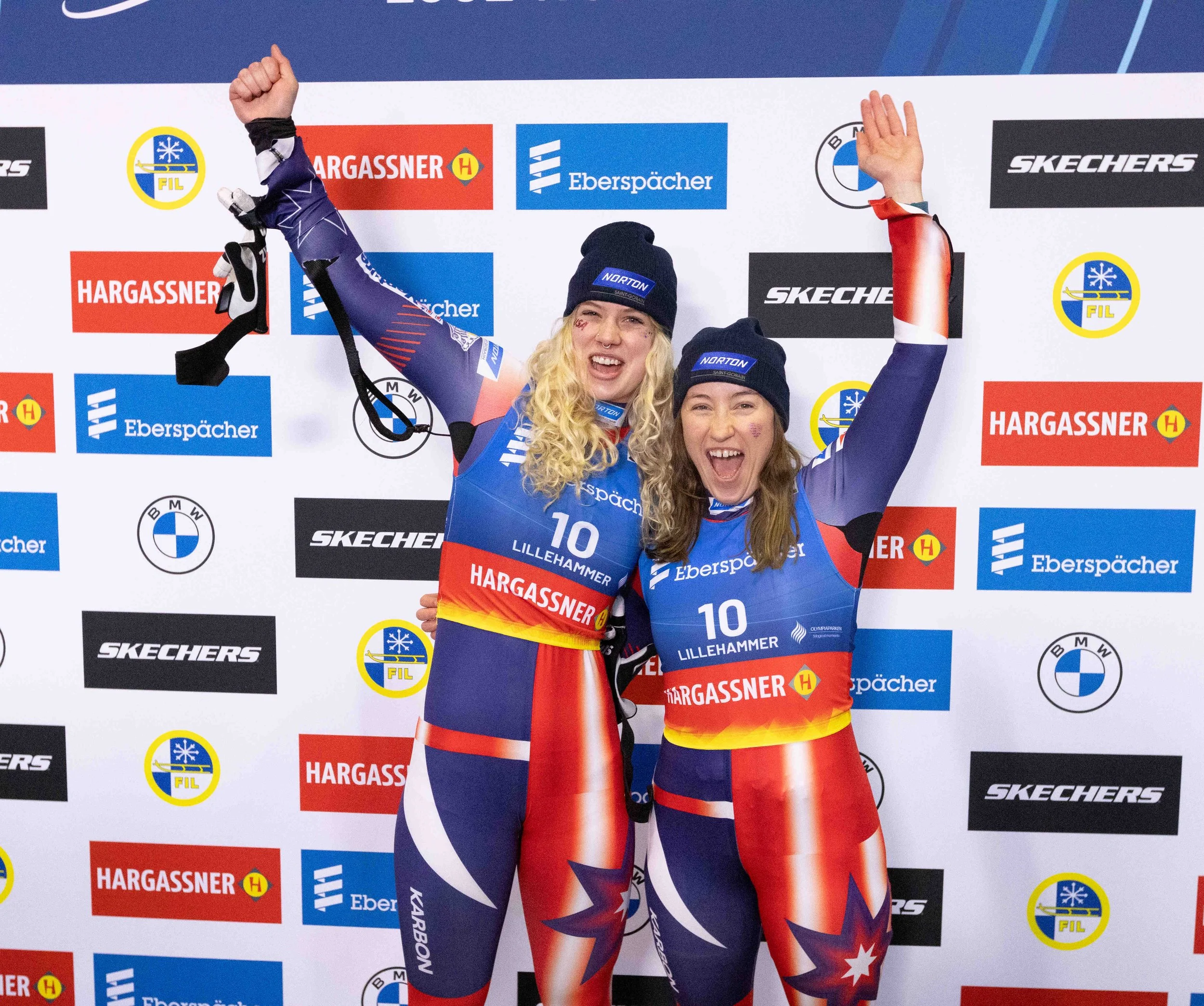
Sophia Kirkby showed up to the Olympics with a plan. A year before the Games, she was already walking the streets of Cortina, scoping out shops, building a distribution network across six Italian villages with inside traders stationed across Italy. This story from the pin trading queen will have you rethink preparation.
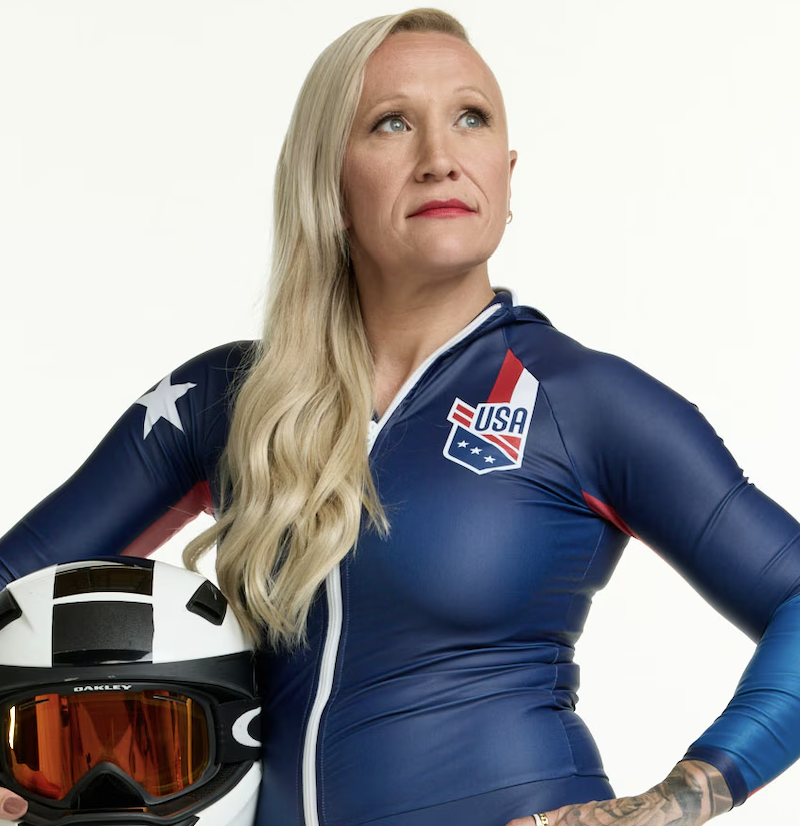
Kaillie Armbruster Humphries spent eight years fighting to add an Olympic event that didn't previously exist. And then won it. Here's what the most decorated female bobsledder of all time has learned about fear, belief, and what it actually means to dare greatly.
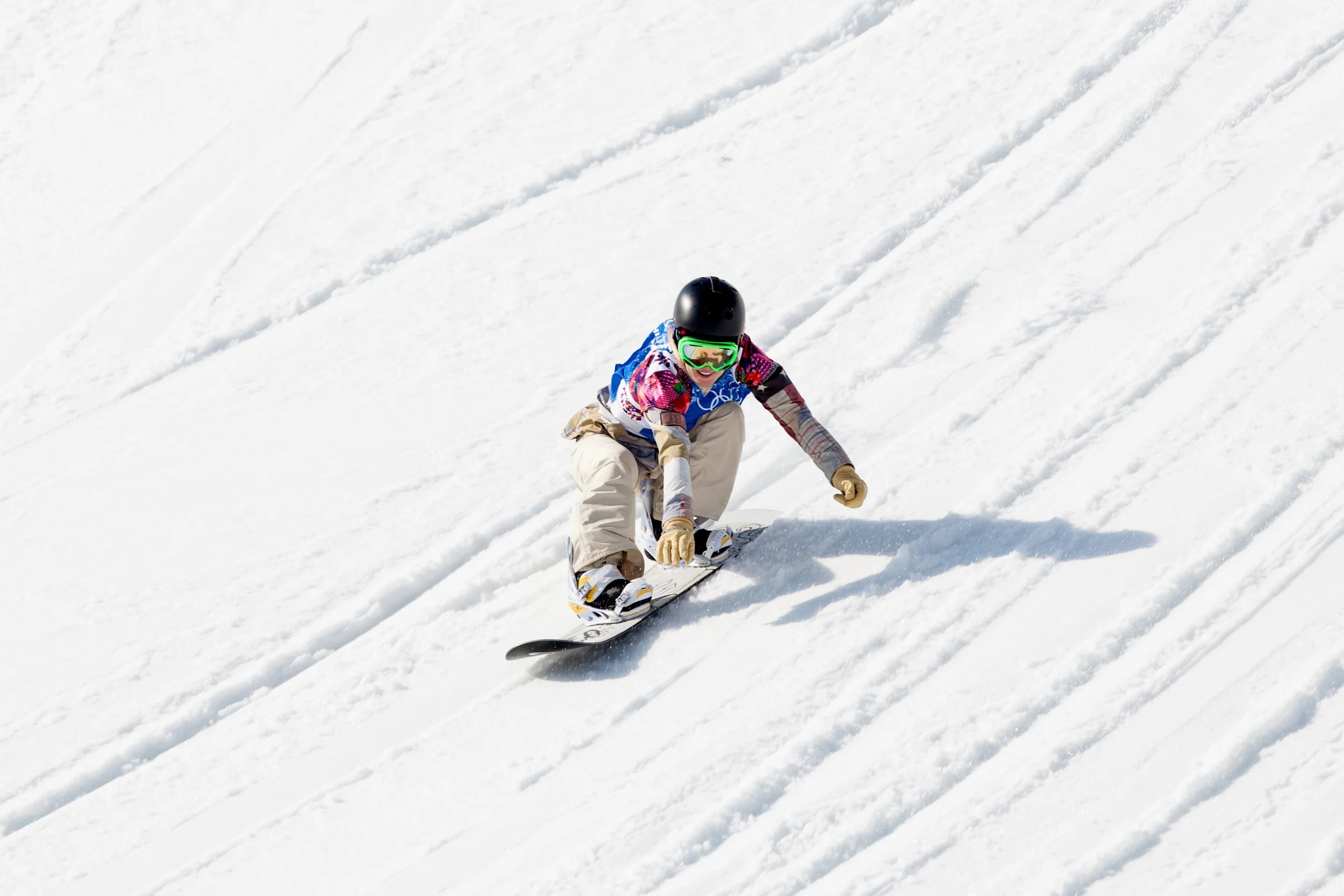
Five-time Olympian Faye Thelen was six weeks postpartum when she decided to go for the 2026 Milano Cortina Games. With two kids in tow and five months to train, she made it back to the start gate. Her greatest takeaway? Even mothers are allowed to have dreams. And that the things pulling you in different directions might be exactly what makes you better.
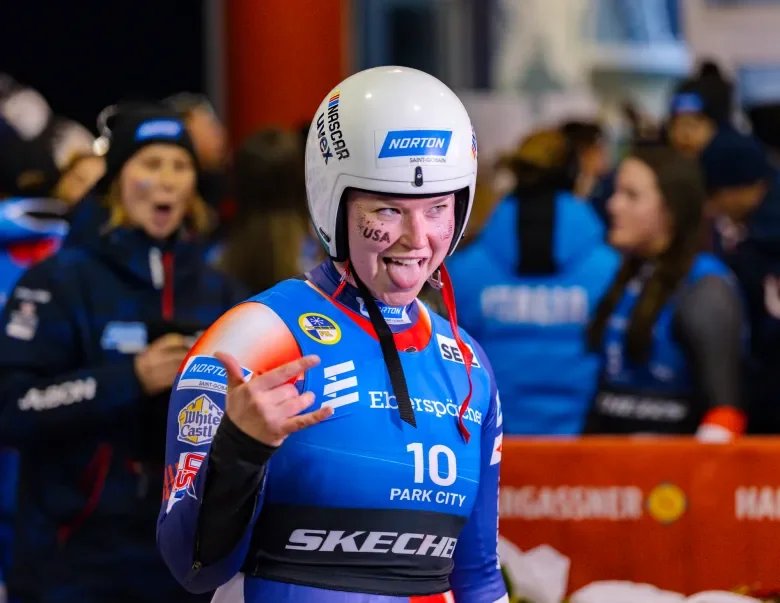
Ashley Farquharson almost never looks up while she slides. But on her fourth and final run at the 2026 Winter Olympics, something made her. What she saw on that big screen told her that the race was going to be closer than she thought. She had one corner left and no idea if she had it. This is the story of how the second American woman to ever medal in Olympic luge singles brought it home, and why the bronze isn't even close to the finish line for her.
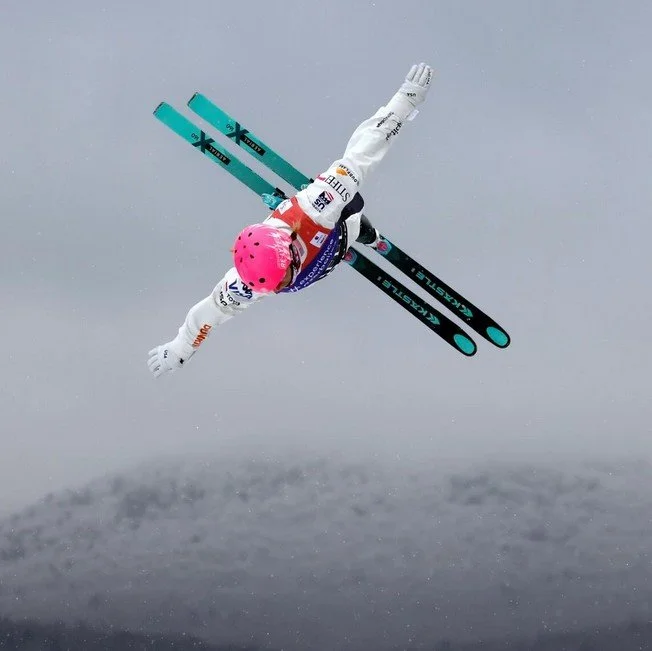
Tasia Tanner was dead last in aerial skiing standings with four competitions left in the Olympic qualifying window. You could count the chances she had left on one hand. Most athletes in that position start doing the math and making peace with it. Tasia didn't. She went on to make the 2026 U.S. Olympic team. This is the story of what it takes to believe when the numbers don't.
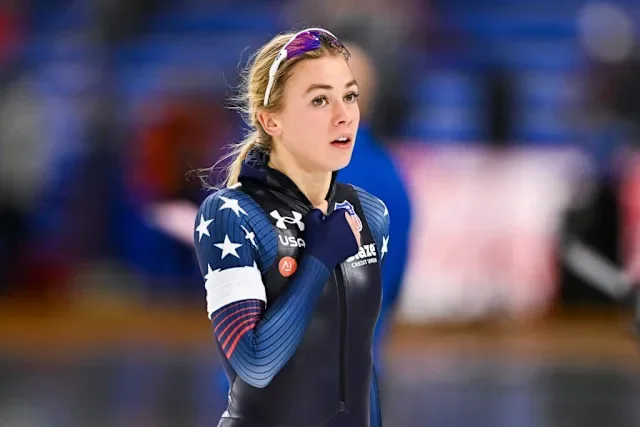
Greta Meyers showed up to the Olympics with all eyes on the mass start event. Then, two hours before the women’s 3000m event (after a brutal training session, a crash on the ice, and a teammate bleeding in the corner) her coach walked over and told her she was offered a spot to compete. Her body was cooked. She said yes anyway. This is her story of pure grit.
From her from her first pair of skis at age two to Team USA's 2026 Olympic roster at age fifteen, Abby Winterberger reached the pinnacle of sport faster than she ever imagined possible. Behind every step was a coach who's believed in her, a family that supports her, and a simple conviction: if other people could do it, so could she.